Skip to content
AWH Electrical
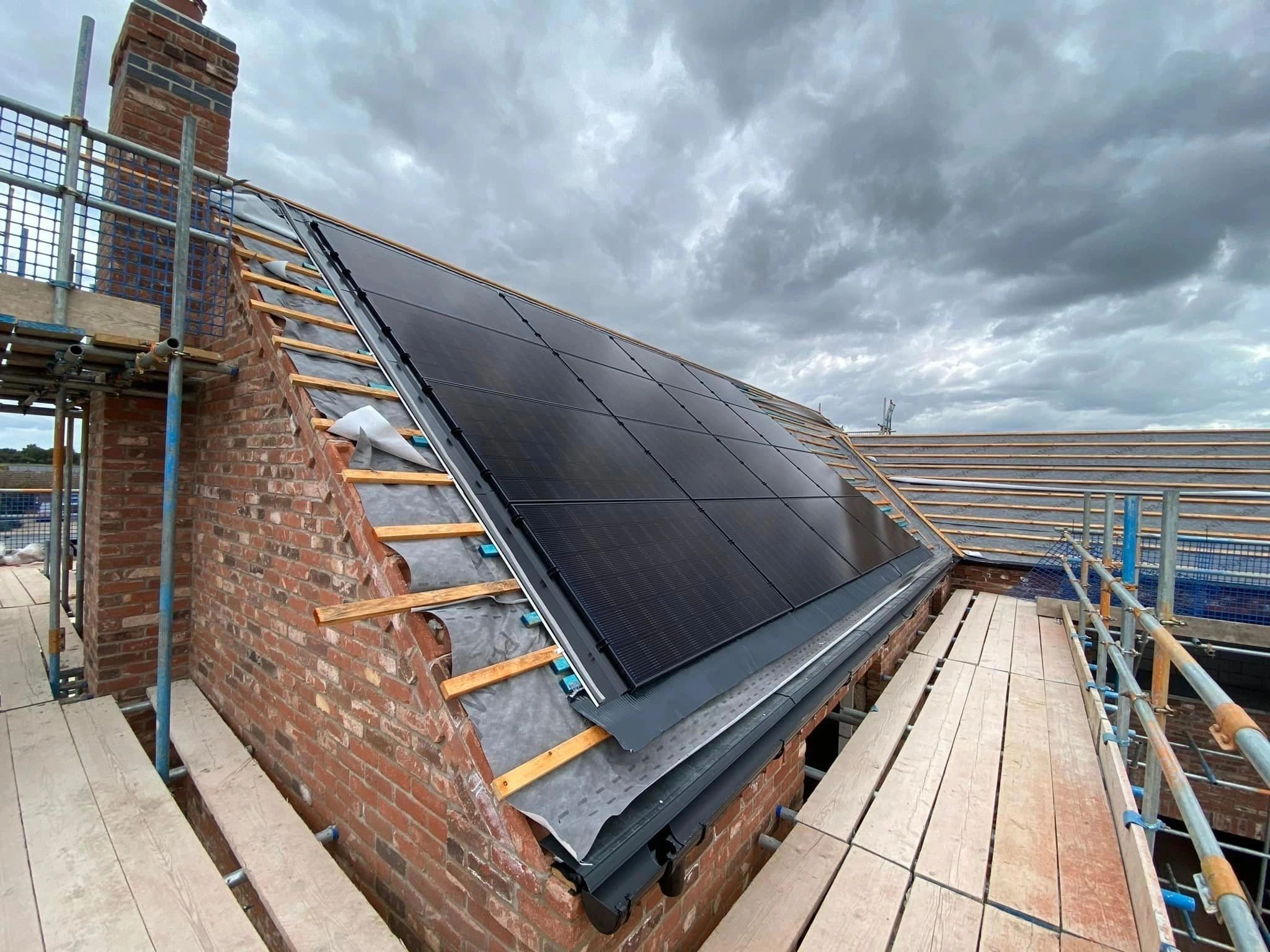
Integrated solar PV panels being fitted to a new-build roof, seen from the scaffold

Solar PV Systems

Generate your own electricity from your roof.

Solar PV turns daylight into electricity you can use in your home or building. As electrical contractors, AWH designs the solar system and the electrical work around it together — from panels and inverter to protection, testing and commissioning.

NICEIC Approved ContractorServing homes and businesses across Lincolnshire

The service explained

Understanding solar pv systems

01

How solar panels generate electricity

Photovoltaic (PV) cells in each panel produce direct current (DC) electricity when daylight falls on them. An inverter converts this to the alternating current (AC) used by your home, and the system connects into your consumer unit so the electricity is used by your appliances first.
02

Using less electricity from the grid

Whenever your panels are generating, your home draws less from the grid. Electricity you don't use at the time is exported to the grid, or can be stored in a battery for later. How much you benefit depends on your roof, its orientation and shading, the system size and when you use electricity.

03

Design and electrical integration

We look at the roof, the existing electrical installation and where the inverter, isolators and cabling will go. Solar is an electrical installation first and foremost — getting the protection, cable routes and connection right matters as much as the panels.

04

Homes, new builds and commercial roofs

AWH installs solar on individual homes and as part of new-build electrical packages. Commercial solar can be discussed on a project-by-project basis.

Typical requirements

Common reasons people call us

  • Rising electricity bills and high daytime usage
  • Planning a new build, extension or roof replacement
  • Wanting to reduce reliance on grid electricity
  • Developers needing solar delivered alongside the electrical package

What we can help with

  • Domestic solar panel installations
  • New-build solar PV packages
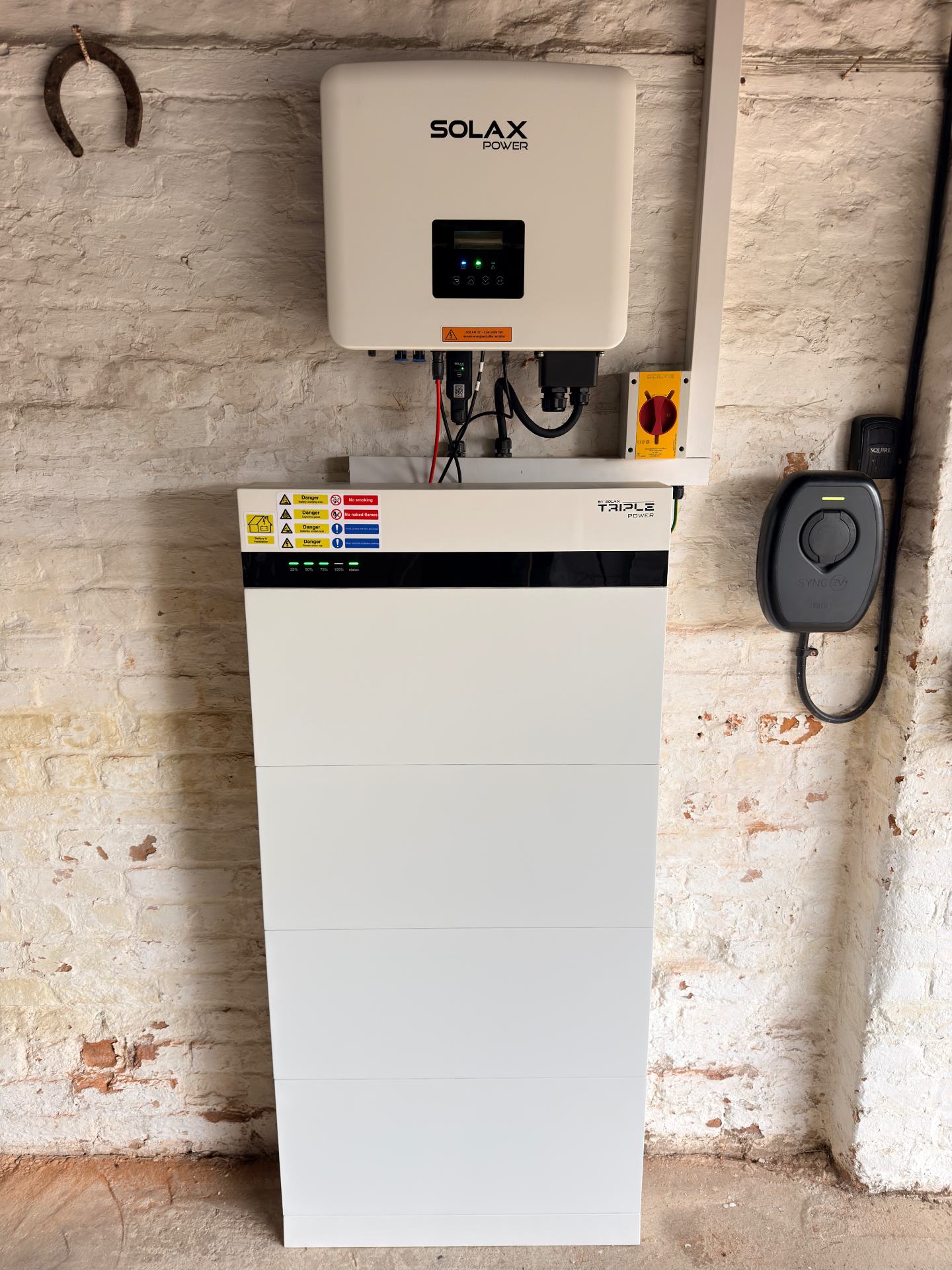
  • Inverters, isolators and associated electrical infrastructure
  • Integration with battery storage
  • Electrical testing and commissioning

Before you decide

Benefits and practical considerations

Your roof

Orientation, pitch, shading and available space all affect how much a system can generate. We assess these before recommending a system.

Your electricity use

Solar is most effective when you use electricity during daylight hours. Adding a battery can help you use more of what you generate.

Grid connection

Solar systems must be notified to, and in some cases approved by, the local electricity network operator. We explain what applies to your installation.

Safety and certification

The installation is tested and commissioned before handover, and you receive the relevant electrical documentation.

What's involved

The installation process

  1. 01

    Initial conversation

    Tell us about your property, roof and electricity use.

  2. 02

    Survey

    We assess the roof, existing electrics, inverter location and cable routes.

  3. 03

    System design & quote

    A written proposal setting out the panels, inverter and electrical work included.

  4. 04

    Installation

    Scaffold access, panels fitted, inverter and protection installed and connected.

  5. 05

    Testing & handover

    The system is tested and commissioned, and we explain how to monitor it.

Our work

Proven on projects like Seagate Road

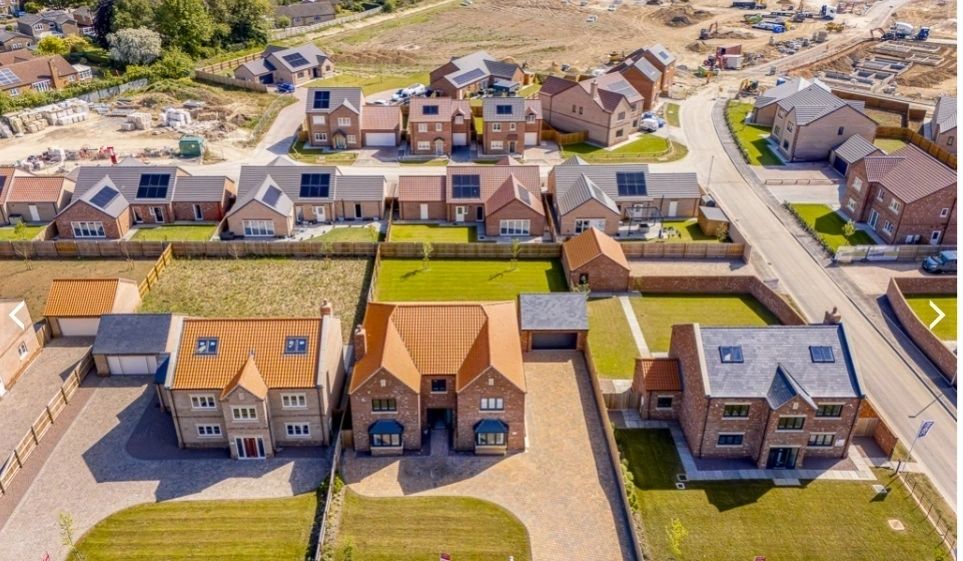
Electrical installation and solar PV packages across a new-build residential development of approximately 100 plots.

FAQ

Questions

How much will solar panels save me?

It depends on your roof, system size, electricity use and tariff, so we don't quote a fixed saving. We can explain the factors that affect your property during the survey.

Can solar panels be combined with a battery?

Yes. A battery can be installed at the same time or added later, provided the system is compatible. See our battery storage page for more detail.

Do I need planning permission?

Many domestic roof-mounted systems fall under permitted development, but there are exceptions — for example listed buildings and conservation areas. Check with your local planning authority if you are unsure.

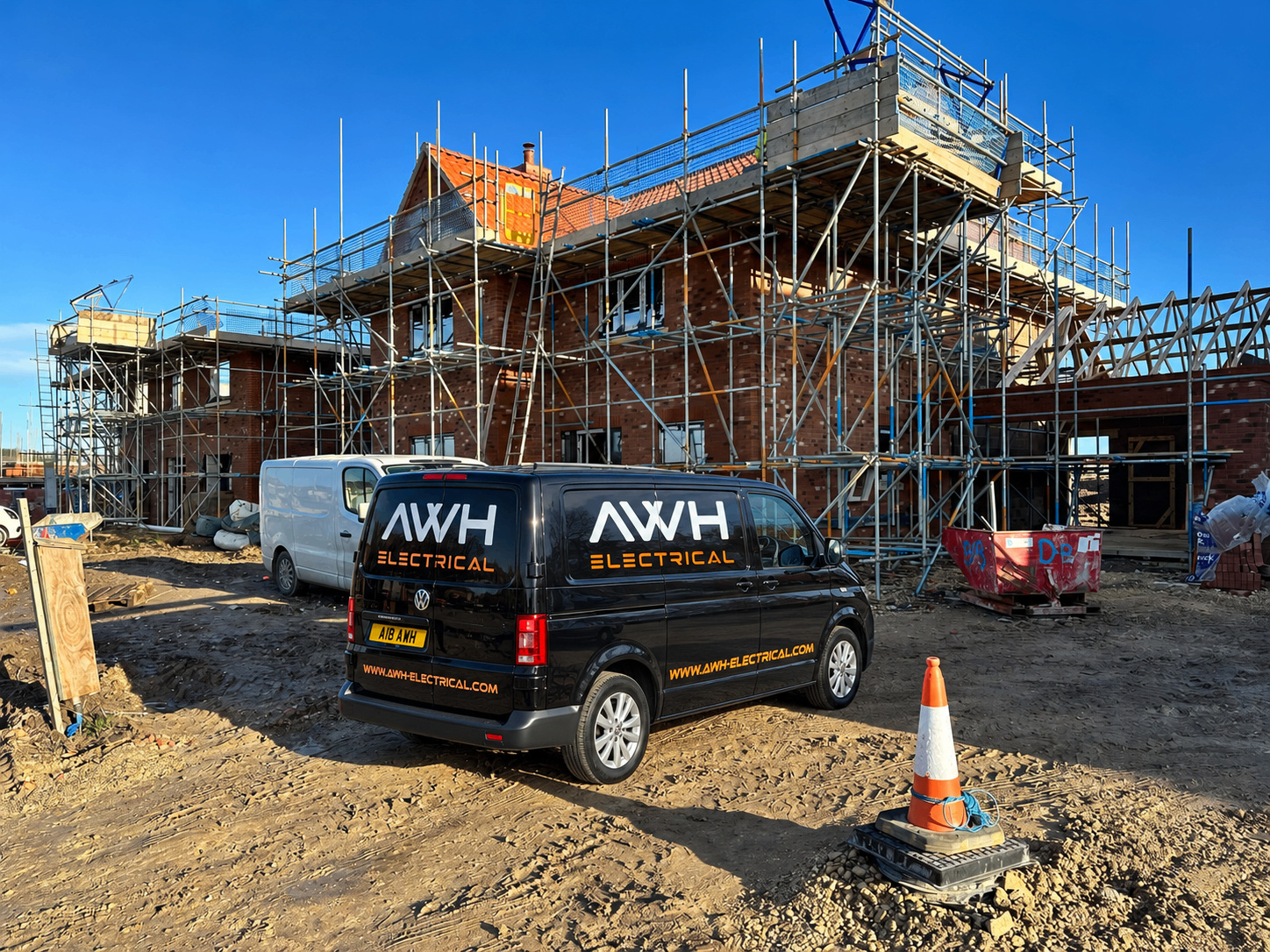
AWH Electrical branded van at a residential construction development in Lincolnshire.

Start a conversation

Have a Project in Mind?

From individual installations to larger developments, speak to AWH about your requirements.

Call nowRequest a Quote