Is your supply suitable?
Before fitting a charger we check your incoming supply, main fuse, consumer unit and earthing arrangements. A charger is a large, continuous load, so the existing installation must be able to support it safely.
EV Chargers
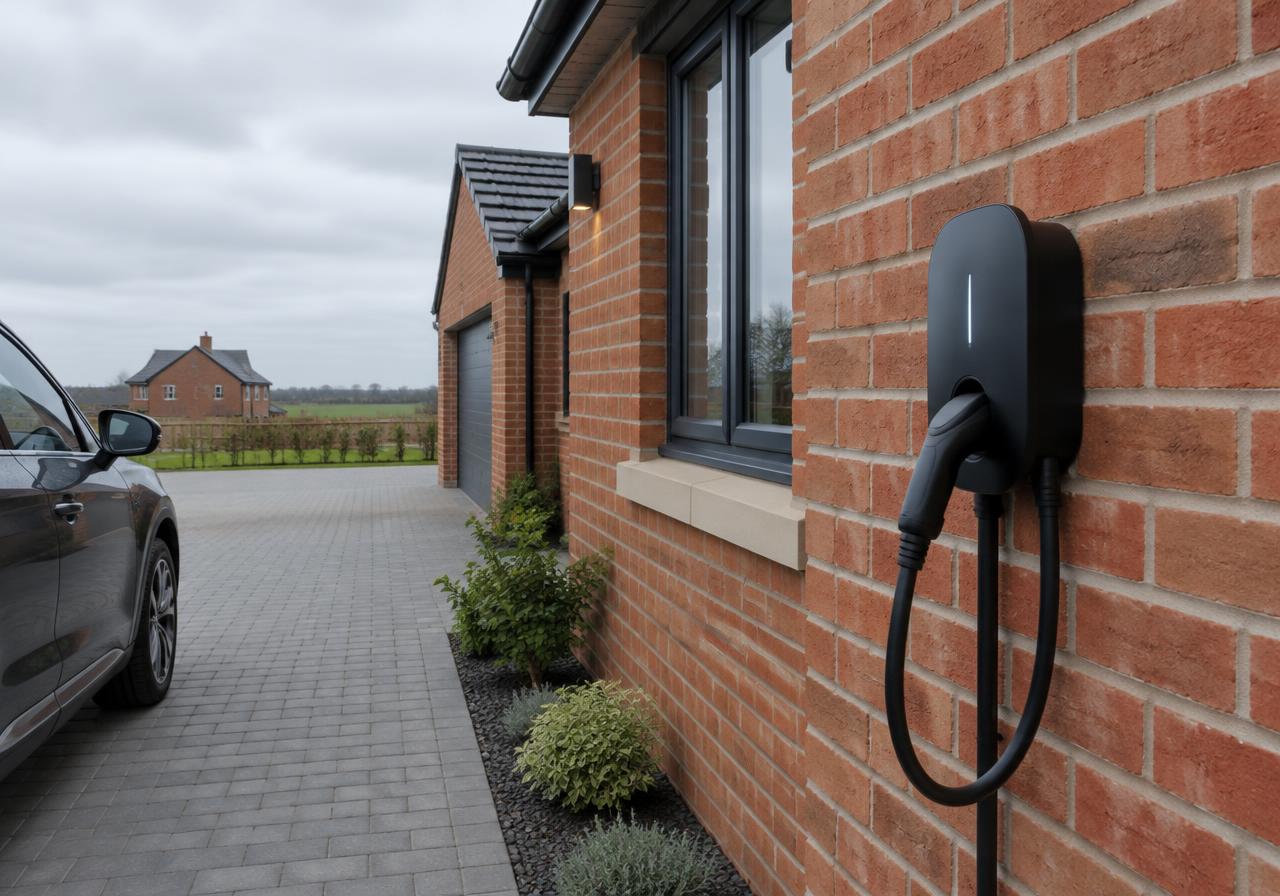
A dedicated charge point is the safe, practical way to charge an electric vehicle at home. We check your electrical supply, agree the best position and cable route, and install and test the charger properly.
The service explained
Before fitting a charger we check your incoming supply, main fuse, consumer unit and earthing arrangements. A charger is a large, continuous load, so the existing installation must be able to support it safely.
We agree where the charger goes so it reaches your vehicle comfortably, and plan a neat, protected cable route from the consumer unit — whether that's a short run on an outside wall or a longer route to a garage or driveway.
Home chargers installed in Great Britain must have smart functionality, letting you schedule charging for cheaper periods. Where your supply is limited, load management can reduce the charging rate when the rest of the home is using a lot of power.
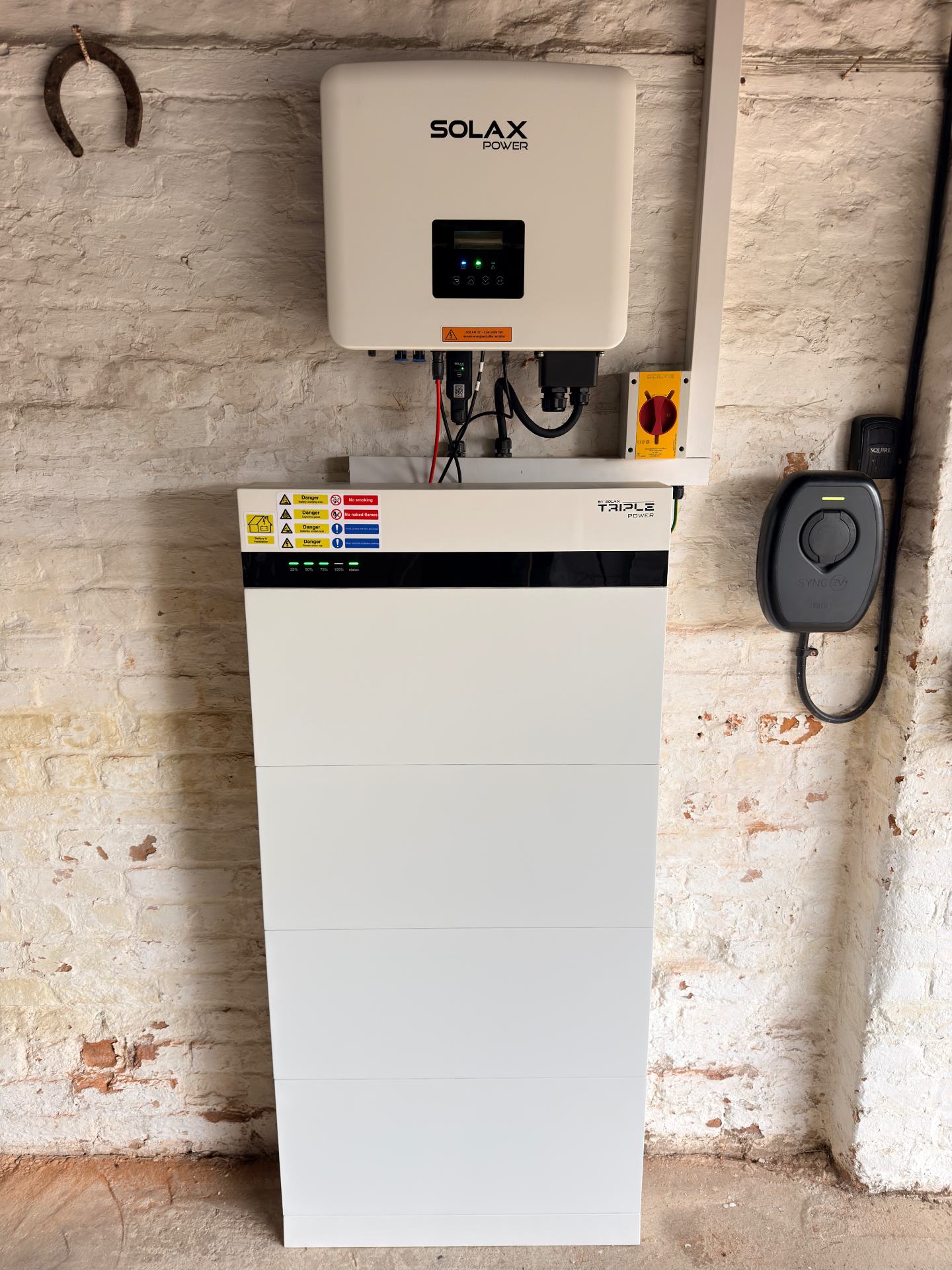
Some chargers can prioritise surplus solar electricity. If you have, or are planning, a solar system, we can advise on compatible options.
Typical requirements
Before you decide
Most home chargers are rated at 7kW on a single-phase supply. The actual rate also depends on your vehicle.
EV chargers have specific earthing requirements. We confirm the correct arrangement for your property as part of the installation.
A home charger needs a safe position close to where the vehicle is parked, without cables crossing a public footpath.
What's involved
Send us a few photos of your consumer unit, meter and where you park.
We confirm your supply, earthing and preferred charger position.
A clear quote for the charger and installation, including cable route.
The charger is fitted, connected and protected, usually in a day.
We test the circuit, help you set up the app and issue your certificate.
FAQ
A straightforward domestic installation is usually completed within a day. Longer cable runs or supply upgrades can take longer, and we'll tell you in advance.
Yes, EV chargers need to be notified to the network operator, and in some cases approval is needed before installation. We explain what applies to you.
Start a conversation
From individual installations to larger developments, speak to AWH about your requirements.